How Your Wedding Photography Affects Your Guests’ Experience
Flow, Presence, and the Moments Everyone Feels
When couples think about wedding photography, they naturally focus on themselves — their moments, their memories, their images. That’s expected. What often goes unconsidered is how photography quietly shapes the experience of everyone else in the room.
Guests don’t experience your wedding in still frames. They experience it as a flow: how long they wait, how often they’re moved, how present the couple feels, and whether the day feels relaxed or rushed. Photography influences all of this — not through the camera itself, but through how it interacts with time, movement, and energy throughout the day.
The good news is that when photography is planned with intention, it can enhance the guest experience rather than interrupt it.
Guests Feel Time Differently Than Couples Do
Couples move through their wedding day immersed in emotion. Adrenaline is high, transitions happen quickly, and the day often feels shorter than expected. Guests experience the same timeline very differently. They notice pauses, they feel long gaps, and they sense uncertainty during transitions.
This is why intentional photography planning matters. When photo sessions are broken into shorter, well-paced blocks — rather than one long disappearance — guests remain engaged and relaxed. Clear transitions, a well-timed cocktail hour, and photography that works with the schedule instead of against it help the day feel cohesive for everyone involved.
When guests know where to be and feel that the couple hasn’t vanished, the energy stays high.
The Ceremony Is a Shared Moment — Not a Performance
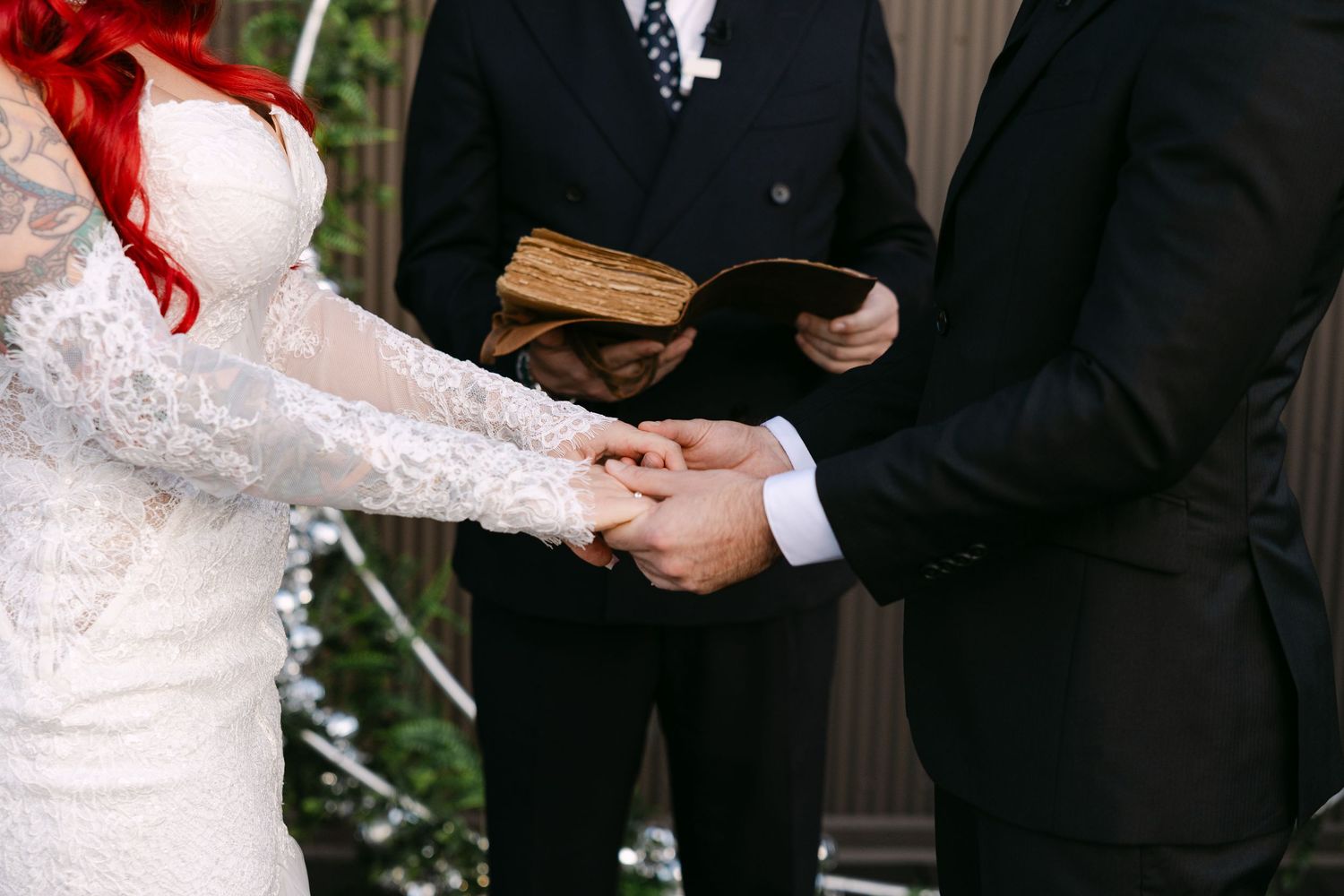
During the ceremony, guests want to witness connection, emotion, and presence. They want to feel included in what’s unfolding, not distracted by it.
A thoughtful photography approach prioritizes discretion during this moment. By anticipating key exchanges and positioning intentionally ahead of time, photographers can document the ceremony without excessive movement or visual interruption. This allows guests to remain emotionally present and focused on the couple — not the coverage.
When the ceremony feels uninterrupted, it becomes more meaningful for everyone in attendance.
Long Photo Gaps Can Drain Energy — But They Don’t Have To
The window between ceremony and reception is one of the most important moments for guest experience. Left unstructured, it can feel disjointed or slow. Handled well, it becomes one of the most enjoyable parts of the day.
The solution isn’t eliminating photo time — it’s aligning it with guest flow. By prioritizing key portraits earlier in the day, structuring group photos efficiently, and planning photography around natural transitions, couples can remain present during cocktail hour while still receiving a full, meaningful gallery.
Guests stay engaged, the atmosphere stays warm, and the reception begins with momentum instead of fatigue.
Guests Take Emotional Cues From the Couple
Guests instinctively mirror the couple’s emotional state. When couples feel rushed, overstimulated, or pulled away repeatedly, that tension is felt throughout the room. When couples are present, relaxed, and engaged, guests follow suit.
Photography that minimizes constant interruption allows couples to move freely, interact naturally, and stay grounded in the day. This presence doesn’t just improve the couple’s experience — it creates a more connected, joyful environment for guests as well.
Flow Matters More Than Perfection
Guests rarely remember whether every detail was perfectly executed. They remember how the day felt to move through.
When photography supports flow — by respecting transitions, allowing moments to unfold, and avoiding unnecessary disruption — the entire event feels smoother. Conversations happen naturally. Energy carries from one part of the day to the next.
This kind of experience isn’t accidental. It’s the result of thoughtful planning and an approach that values people over poses.
Thoughtful Photography Serves Everyone
At its best, wedding photography is a quiet support system for the entire day. It protects meaningful moments without interrupting them, guides gently without controlling, and respects the shared experience happening beyond the frame.
When photography is approached with awareness and intention, couples feel present, guests feel considered, and the day unfolds with ease.
And that’s what people remember most — not just how your wedding looked, but how it felt to be there.
If this perspective resonates, it’s often because you’re thinking beyond photos — you’re thinking about how your wedding day will actually feel to the people you love.
That awareness is where thoughtful planning begins. It’s also where the right photography partnership starts — one rooted in intention, calm guidance, and respect for the full experience of the day.
If you’re at the stage of imagining how your wedding will unfold, I’d love to hear what you’re envisioning and help you shape a day that feels as meaningful as it looks.